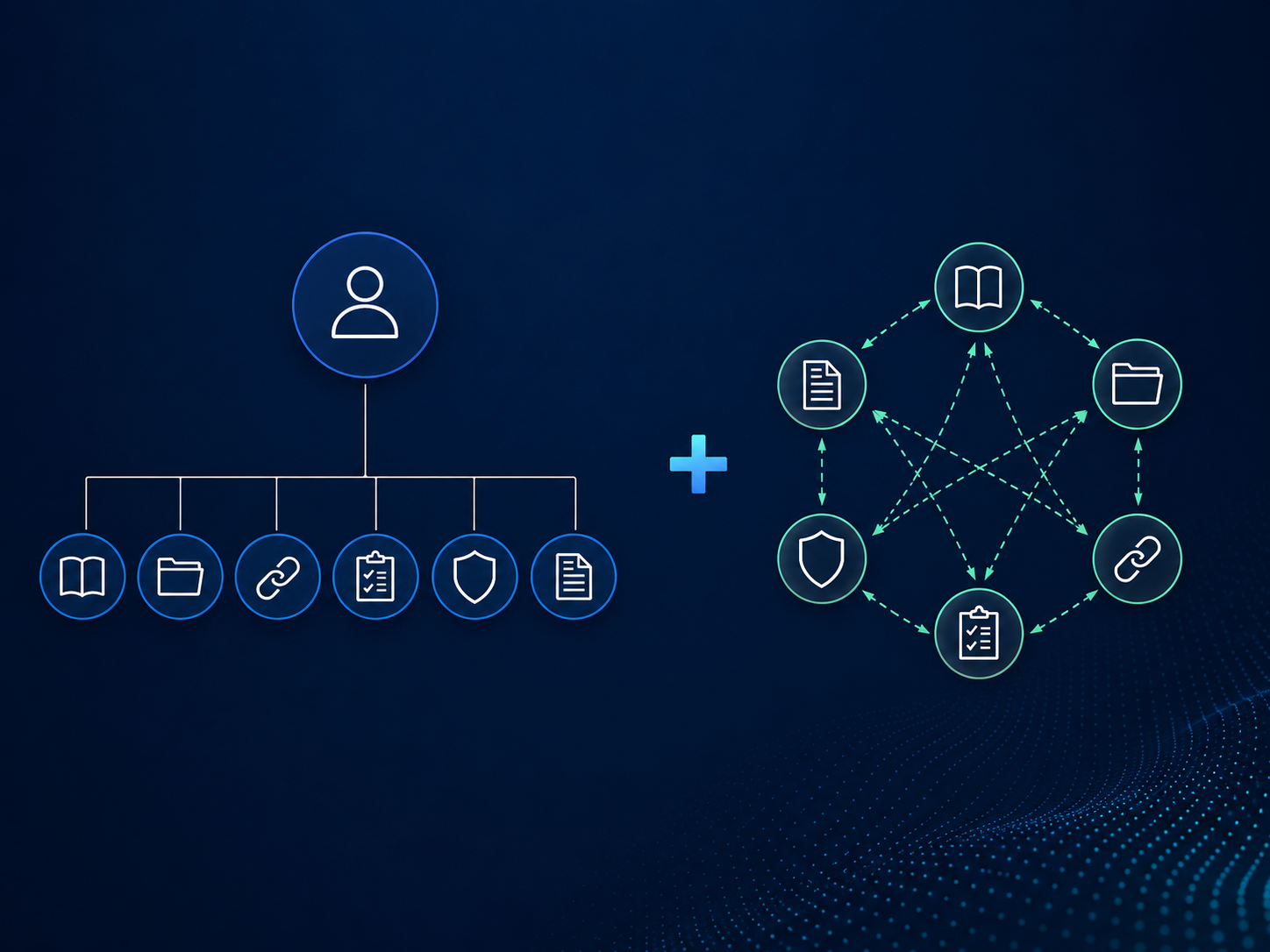
Controlled workflows for HARA preparation, FMEDA structuring, requirements traceability, and assessment evidence — with explicit assumptions, human review, and traceability.
Get in touchNew article: Developing a Non-Deterministic AI Tool According to a Safety Standard
Every project brings the same mountain: hazard analyses, FMEDA updates, safety cases, traceability matrices, and assessor questions. Done manually, it takes time from your best engineers. Done poorly, it creates audit risk.
We use AI-assisted workflows built around controlled ISO 26262 and ASPICE references, templates, review criteria, and traceability checks. The result is structured drafts, evidence packages, and gap findings for expert review — not autonomous safety decisions.
We eat our own cooking. Every workflow we offer is tested against realistic automotive safety review scenarios before we use it with clients.
Structured HARA and FMEDA drafts from your system description, including candidate failure modes, FIT-rate allocation support, diagnostic coverage assumptions, and SPFM/LFM calculation support. Your team reviews and approves the engineering assumptions.
Import your DOORS or Polarion exports. We propose links between requirements, design elements, tests, and safety goals, then surface gaps and inconsistencies for engineering review.
ASPICE assessment coming up? ISO 26262 functional safety audit? We review your current evidence, identify documentation gaps, and help prepare assessor-facing explanations, traceability views, and supporting material.
Not a startup pitching generic AI tools. A certified functional safety engineer applying controlled automation to the documentation problems he has lived with for 15 years.
20 May 2026
Why evidence-based safety assessment needs controlled cross-checking between specialist agents.

28 April 2026
A practical ISO 26262 argument for qualifying non-deterministic AI tools: Clause 11 as the tool qualification frame, a selected Part 6 and Part 2 development process, Clause 12-style evidence where it helps, and TR 5469 as AI-specific support.

25 February 2026
Choosing AI infrastructure for automotive safety documentation is different from normal AI procurement. This article covers deployment options (standard API, enterprise tier, private cloud, self-hosted), model comparison for safety work, real cost estimates, and what we actually run.
Let's talk about your next project. No sales pitch — just an honest conversation about what AI can and can't do for your safety process.
quenos@quenos.technology